
Backflow testing and repair
A backflow preventer stops irrigation water, fertilizer and lawn chemicals from being pulled back into drinking water. Many U.S. water providers require the device on sprinkler systems to be tested by a certified tester every year and the results submitted to the utility.
- Licensed local plumbers
- The problem explained before work starts
- Price agreed before the job begins
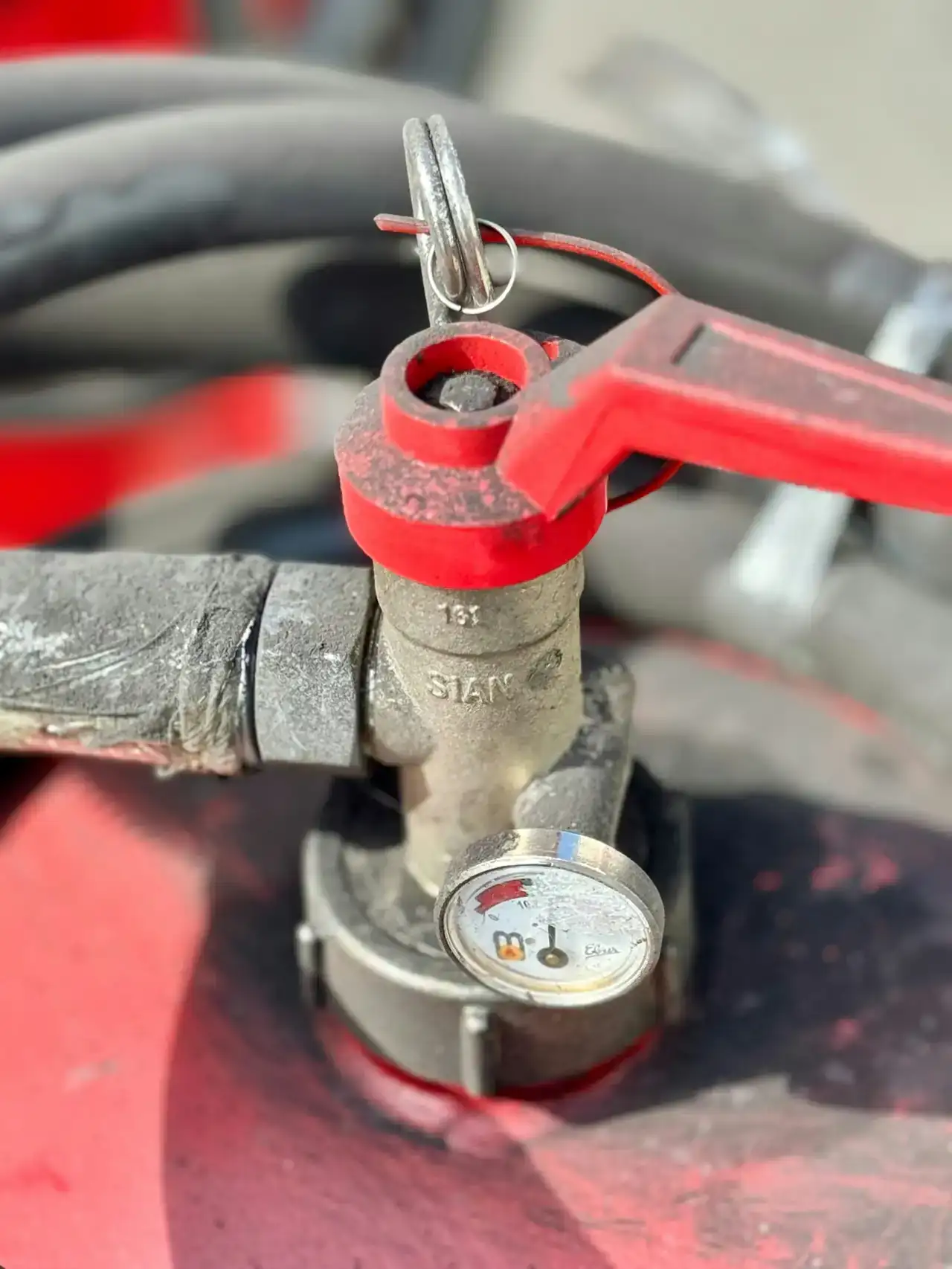
About backflow testing
Most irrigation systems here have a pressure vacuum breaker (PVB) or reduced pressure (RP) assembly where the sprinkler line leaves the house. Because they sit outside, they're vulnerable to freezing and are commonly damaged when a system isn't blown out before winter.
Testing is done with a calibrated gauge kit and takes little time when the device is working. Failed tests usually mean worn seals or springs that can be rebuilt.
Backflow testing at a glance
- Urgency
- Usually plannable
- Area
- All 50 states + Washington, D.C.
- Who does the work
- An independent, licensed local plumber
- Permit
- Often required for replacements, repipes, sewer, water and gas line work
- Typical steps
- Test → Report → Repair → Winterize advice
- Availability
- Call now to check plumber availability
Signs you need backflow testing
- A notice from your water provider that a test is due
- Water spraying from the backflow device
- Turning the irrigation system on for the season
- A cracked bonnet or body after a freeze
- Sprinklers with weak pressure
How the job usually goes
- 1
Test
A certified tester connects a gauge kit and checks each check valve and relief valve.
- 2
Report
Results are recorded and submitted to the water provider where required.
- 3
Repair
Failed devices are rebuilt or replaced, then retested.
- 4
Winterize advice
You get guidance on draining or insulating the device for winter.
What affects the cost
Every job is priced by the plumber after they see it. These are the things that move the price most. Ask for the price before work starts.
- Device type (PVB, RP or DCVA)
- Pass or repair
- Freeze damage to the body
- Report filing with the utility
Backflow testing questions
How often does a sprinkler backflow preventer need testing?
Who can test a backflow preventer?
What happens if my backflow test fails?
What is a pressure vacuum breaker?
Why did my backflow preventer crack?
Do I need a backflow preventer for my sprinkler system?
Where backflow testing is most needed
Related
Related plumbing services
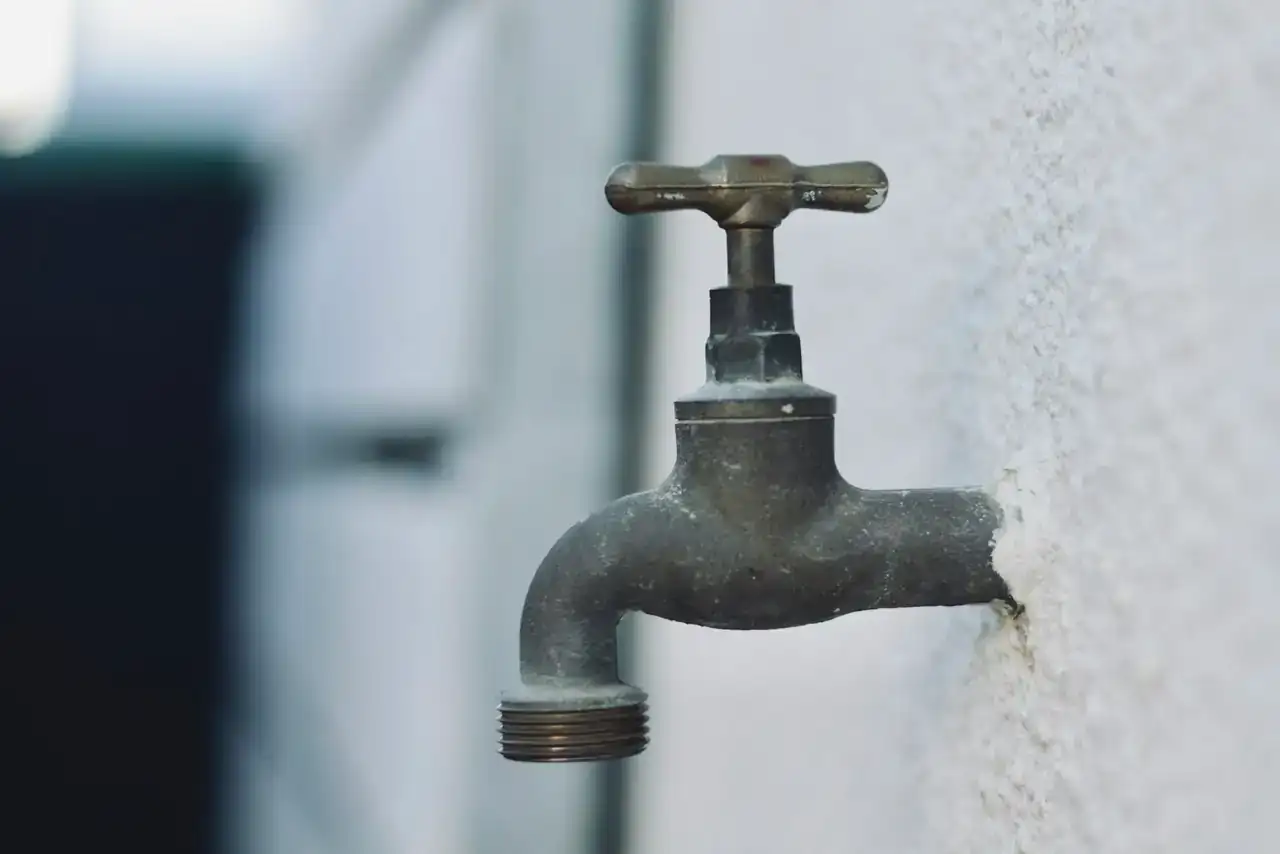
Frost-free hose bib repair
A frost-free hose bib keeps its valve inside the heated house, but it still splits if a hose is left attached in freezing weather, because water can't drain out.
Learn more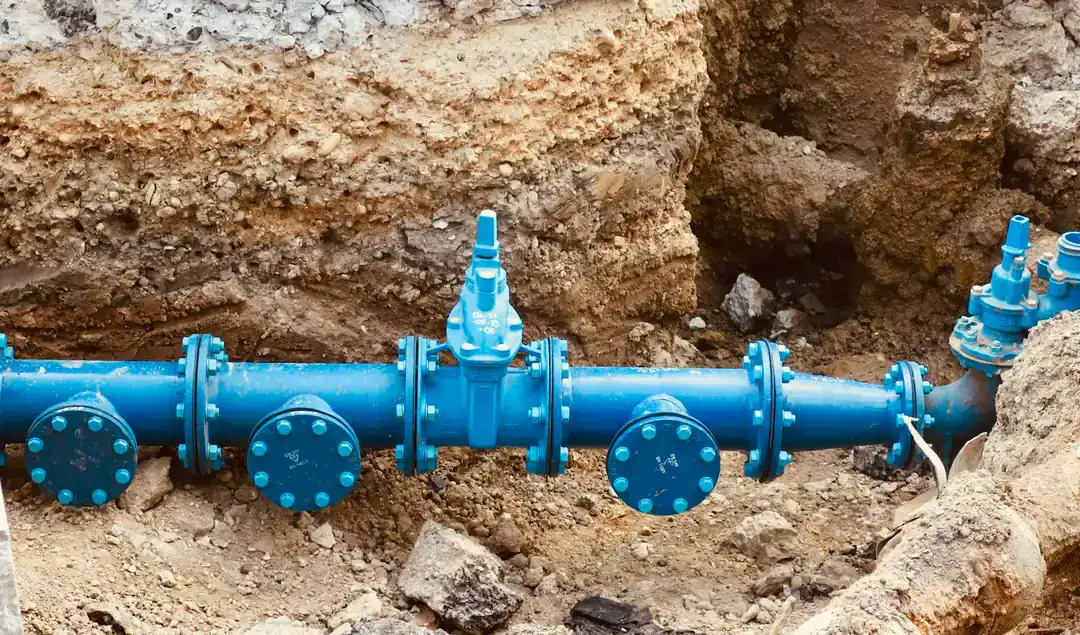
Water line repair
The water service line runs from the curb stop near the street to your house, buried below the frost line.
Learn more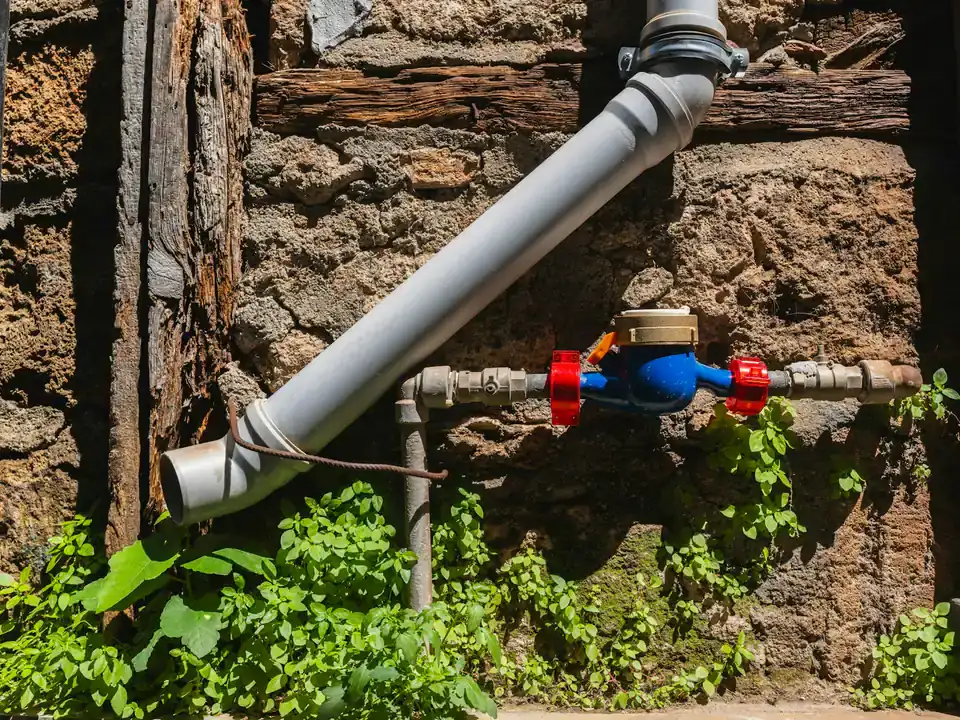
Leak detection
Turn off every fixture and watch the water meter's leak indicator.
Learn moreWater where it shouldn't be? Start with a call.
Tell us what's going on and your ZIP code. You'll be connected with a licensed plumber who serves your area.
Call now to check plumber availability