
1 services
Sump pumps and basement plumbing
A sump pump keeps groundwater from rising into a basement or crawl space. Most last about 7 to 10 years. Replacing an aging pump before storm season, and adding a battery backup or alarm, is far cheaper than cleaning up a flooded basement.
- Licensed local plumbers
- The problem explained before work starts
- Price agreed before the job begins
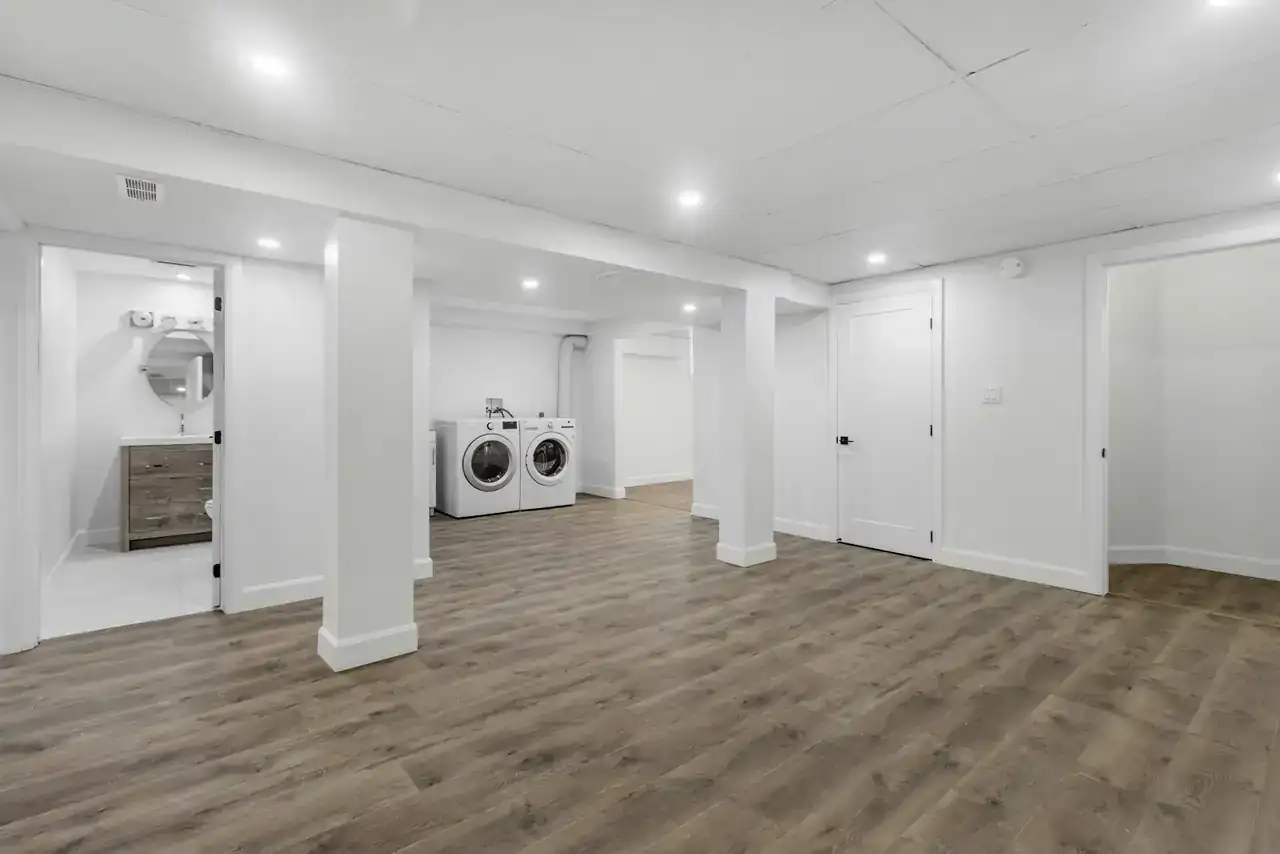
Basements & sump pumps services
How basements & sump pumps problems start
Water collects in the sump pit from drain tile around the foundation. A float switch turns the pump on when the water rises and off when the pit is empty. Most failures are the switch sticking, the motor wearing out, or the pump losing power during a storm.
Basement plumbing also includes floor drains, ejector pumps for basement bathrooms, and backwater valves that stop sewer water from flowing back into the house when city sewers overflow.
The sump pump page below covers repair, replacement, backups and what affects the cost.
When to call a plumber
- The pump runs constantly or turns on and off rapidly
- The pump hums but doesn't move water
- Water in the basement after a storm
- Rust, loud noise or a pump more than seven years old
- No backup during storms that knock out power
Choosing the right fix
Repair or replace?
A stuck float switch or a clogged inlet screen is an easy repair. A pump with a worn motor, rust or a cracked housing should be replaced, ideally before the wet season.
Battery backup or water-powered backup
A battery backup runs a second pump when the power fails. Water-powered backups need no battery but use city water pressure, so they don't work on wells or where codes don't allow them.
Backwater valves
If your basement takes on water from the sewer during heavy storms, not just from groundwater, a backwater valve on the sewer line is the fix rather than a bigger sump pump.
Basements & sump pumps questions
How do I test a sump pump?
Where should a sump pump discharge?
Can a sump pump stop sewer backups?
Other plumbing services
Water where it shouldn't be? Start with a call.
Tell us what's going on and your ZIP code. You'll be connected with a licensed plumber who serves your area.
Call now to check plumber availability